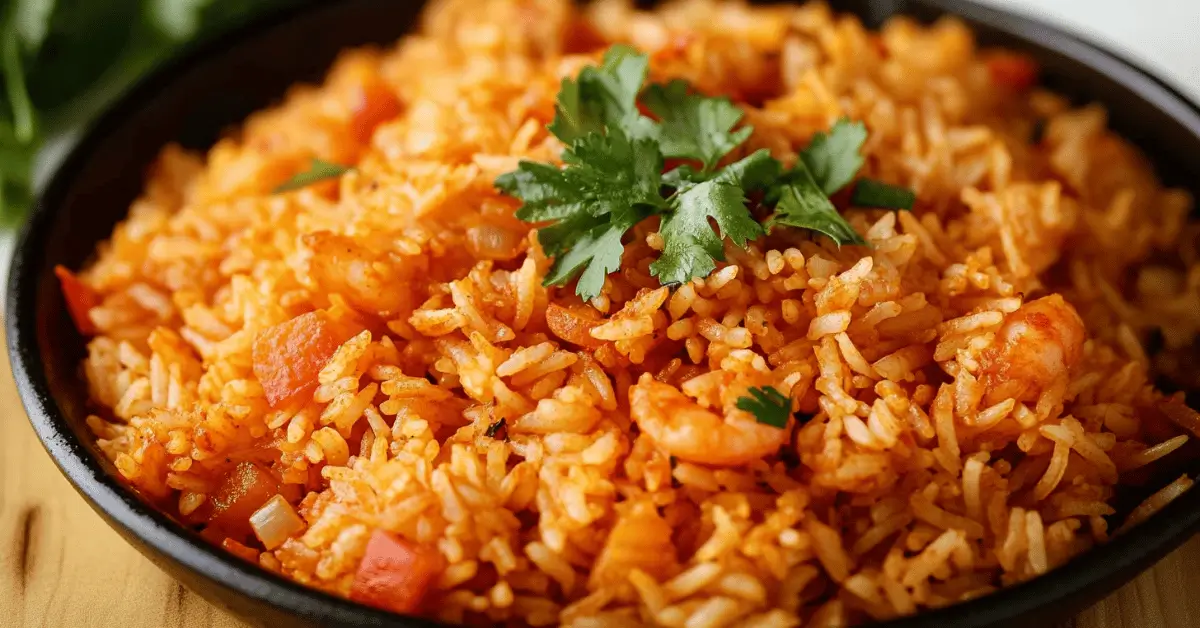
The tantalizing aroma of perfectly cooked arroz rojo is an instant invitation to a feast. Commonly known as Spanish rice or Mexican rice, this vibrant, flavorful side dish is a staple in countless kitchens, cherished for its versatility and comforting taste. While you might have enjoyed it countless times at your favorite Mexican restaurant, the secret to truly unlocking its potential lies in mastering the essential ingredients at home. Forget dry, bland imitations – a homemade Easy Homemade Spanish Rice: Fluffy, Flavorful, and Fast is not only achievable but surprisingly simple, yielding a moist, fluffy, and deeply flavorful result every single time. It's time to elevate your culinary game and discover the building blocks of the perfect Spanish Rice vs. Mexican Rice: The Versatile Side Dish.
Making Spanish rice from scratch might seem daunting, but once you understand the core components and their roles, you'll wonder why you ever bought the pre-packaged versions. This article will delve into the critical ingredients for any authentic and delicious spanish rice recipe, offering insights, tips, and the 'why' behind each choice, ensuring your next batch is nothing short of perfection.
The Foundation of Flavor: Rice and Liquid
At the heart of any great rice dish is, naturally, the rice itself, and the liquid it’s cooked in. These two elements form the base upon which all other flavors are built, and getting them right is crucial for a fluffy, non-sticky texture and a rich taste profile.
Choosing the Right Rice
For an ideal spanish rice recipe, long-grain white rice is your best friend. Varieties like Basmati or Jasmine, with their slender grains, cook up distinct and separate, preventing the clumping often associated with shorter grain rices. This ensures that light, airy texture that is the hallmark of well-made arroz rojo. While white rice is traditional and offers the best texture, don't shy away from alternatives if you're looking for a healthier option. Brown rice can be used, but be prepared to make a couple of adjustments: increase the liquid by about 1/2 cup for every cup of rice, and extend the simmering time from 15 minutes to approximately 45 minutes, allowing the grains to fully soften and absorb the flavors.
One often-overlooked but vital step in preparing rice is rinsing. Before it even touches the pot, place your chosen rice in a fine-mesh strainer and rinse it under cool running water until the water draining into the bowl below runs clear. This simple act washes away excess surface starches, which are the primary culprits behind gummy, clumpy rice. It's a small effort that makes a monumental difference in achieving that coveted fluffy texture.
The Power of Broth
While water can technically cook rice, it’s like using a plain canvas when a vibrant one is available. For a truly flavorful spanish rice recipe, vegetable or chicken broth is absolutely essential. Cooking your rice in broth infuses it with savory depth from the very beginning, creating a more complex and satisfying taste that water simply cannot replicate. The subtle umami from the broth layers beautifully with the other ingredients, elevating the overall dish. You can use quality store-bought broth for convenience, or if you have the time, a homemade broth will add an unparalleled freshness. This single swap is arguably one of the most impactful decisions you can make for a restaurant-quality result.
The Aromatic Heart: Building Savory Depth
Beyond the rice and liquid, the true character of arroz rojo begins to emerge with its aromatic base. These ingredients, often humble on their own, combine to create a foundational layer of savory, earthy, and irresistible flavor.
Oil, Onion, and Garlic: The Holy Trinity of Aromatics
Every great dish starts with a good sauté, and Spanish rice is no exception. Extra-virgin olive oil not only acts as the medium for cooking but also adds its own subtle richness, helping all the subsequent flavors to meld beautifully. If olive oil isn't your preference, a neutral cooking oil like avocado or canola oil works perfectly well.
Once the oil is shimmering, the culinary magic begins with onion and garlic. These two ingredients are non-negotiable for building savory depth. The onion should be cooked until it's soft and translucent, usually around 5 minutes. This process sweetens the onion and releases its aromatic compounds. Only then should the garlic be added, stirred in for about 30 seconds until fragrant, taking care not to burn it. This aromatic duo forms the backbone of the spanish rice recipe, laying down a profound savory foundation that permeates every grain of rice.
The Earthy Essence of Oregano
When it comes to spices, dried oregano plays a starring role in many traditional Mexican dishes, and arroz rojo is no exception. Its earthy, slightly peppery, and robust flavor contributes significantly to the authentic profile of Spanish rice. A good pinch, rubbed between your palms to release its oils, will infuse the dish with an irreplaceable depth that ties all the flavors together. While fresh oregano has its place, the dried variety offers a more concentrated and traditional flavor profile for this particular dish.
The Signature Hue & Tang: Tomatoes and Heat
What gives arroz rojo its distinctive "rojo" (red) color and its beloved tangy, slightly piquant flavor? Look no further than the tomatoes and the optional kick of a jalapeño.
The Vibrant Versatility of Tomatoes
The beautiful reddish-orange hue of Spanish rice is primarily due to tomatoes, which also contribute a crucial tangy counterpoint to the savory aromatics. You have several versatile options here:
- Tomato paste: This concentrated form delivers a deep, intense tomato flavor and rich color. Sautéing it briefly with the garlic enhances its sweetness and complexity.
- Diced fresh tomatoes: For a fresher, brighter flavor and small bursts of texture, fresh diced tomatoes are an excellent choice.
- Canned tomato sauce: A convenient option that provides consistent flavor and color.
Feel free to experiment with a combination, perhaps a spoon of tomato paste for depth alongside diced fresh or canned tomatoes for body. Each option works wonderfully, contributing to the signature taste and appearance of a classic spanish rice recipe.
Jalapeño: The Subtle Spark of Heat
For that quintessential touch of warmth and appealing flecks of green, a finely diced jalapeño pepper is the ingredient you need. Its heat level is generally mild to moderate, adding a pleasant zest without overpowering the other flavors. If you're sensitive to spice, simply remove the seeds and membranes before dicing, as this is where most of the capsaicin (the heat compound) resides. For those who prefer no heat at all, a quarter cup of chopped green bell pepper is an excellent substitute, providing similar visual appeal and a fresh, vegetal note without any spice.
The Unsung Heroes: Salt and Other Potential Enhancers
No dish is complete without proper seasoning, and Spanish rice is no exception. Beyond the core ingredients, a few finishing touches and optional additions can truly elevate your spanish rice recipe from good to extraordinary.
Sea Salt: The Flavor Amplifier
It might seem obvious, but sea salt is a powerhouse ingredient that often goes unacknowledged. Its role is not just to make the rice salty, but to make all the other flavors pop. Salt balances, brightens, and intensifies the taste of every ingredient, from the savory broth to the tangy tomatoes and earthy oregano. Seasoning correctly throughout the cooking process, and adjusting at the end, is key to a truly vibrant and well-rounded dish.
Beyond the Basics: Personalizing Your Arroz Rojo
While the ingredients listed above are fundamental for a traditional spanish rice recipe, the beauty of home cooking lies in personalization. Consider these additions to make your arroz rojo uniquely yours:
- Cumin or Chili Powder: A small pinch of ground cumin or a mild chili powder can add another layer of earthy warmth and depth, common in many Mexican dishes. Introduce these with the oregano for maximum flavor extraction.
- Fresh Cilantro: Stirring in fresh chopped cilantro just before serving adds a burst of bright, fresh herbal notes that perfectly complement the rich flavors of the rice.
- Lime Juice: A squeeze of fresh lime juice at the very end can add a zesty brightness, cutting through the richness and leaving a refreshing finish.
- Vegetables: For added texture and nutrients, consider finely diced carrots or peas added during the last few minutes of cooking.
These optional enhancers allow you to experiment and tailor the dish to your specific taste preferences, transforming a great side into a signature creation.
Bringing It All Together: The Ease of Perfection
With these essential ingredients understood, the process of making Spanish rice becomes remarkably straightforward. Rinse the rice, sauté your aromatics in olive oil, toast the rice briefly, then stir in your tomato components, jalapeño, salt, and oregano. Finally, add the flavorful broth, bring to a boil, reduce to a simmer, and let time work its magic. The result is a fluffy, moist, and incredibly flavorful arroz rojo, perfect as a side for tacos, enchiladas, burritos, or alongside any simply grilled protein.
Understanding and appreciating the role of each ingredient in your spanish rice recipe is the true key to unlocking its full flavor potential. From the foundational rice and broth to the aromatic onion and garlic, the vibrant tomatoes, and the subtle heat of a jalapeño, every component contributes to a symphony of tastes and textures. Embark on this culinary journey, and you'll soon find yourself creating restaurant-quality Spanish rice that will delight your family and friends. The secret to unlocking incredible flavor is now yours.
